
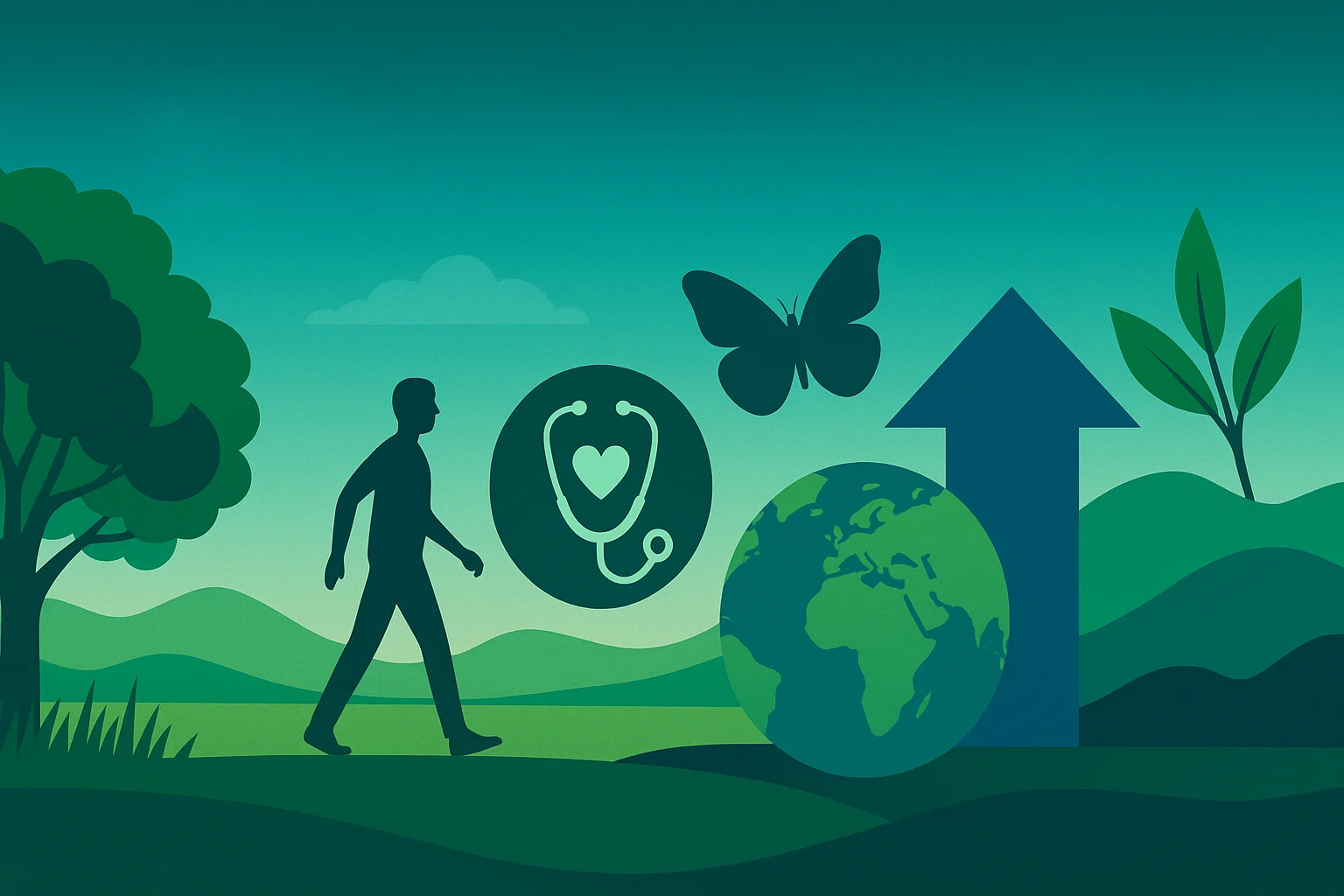
The intersection of longevity and survival
A fascinating and complex topic that touches on biology, philosophy, ethics, and even technology.
Here’s our take on it:
Longevity vs. Survival
- Survival is about immediate or short-term preservation of life—overcoming threats, adapting to environments, and meeting basic needs like food, shelter, and safety.
- Longevity is about extending life over the long term, often with a focus on health, quality of life, and delaying aging or age-related diseases.
The intersection lies in how survival strategies (both biological and societal) influence longevity, and how the pursuit of longevity can reshape our understanding of survival.
Key Points of Intersection
Biological Evolution and Aging
From an evolutionary perspective, survival is about passing on genes, not necessarily living longer. This is why many species, including humans, experience aging—once reproductive success is achieved, natural selection has less influence on longevity.
However, modern science is challenging this by exploring ways to slow or reverse aging, effectively merging survival (avoiding death) with longevity (extending life).
Environmental and Societal Factors
Survival in harsh environments (e.g., lack of resources, disease, or conflict) often limits longevity. Conversely, societies with advanced healthcare, stable food supplies, and safety tend to have longer life expectancies.
Climate change, pandemics, and other global challenges now threaten both survival and longevity, forcing us to rethink how we balance immediate survival needs with long-term sustainability.
Technology and Medicine
Advances in medicine (e.g., vaccines, and antibiotics) have shifted the focus from mere survival to enhancing longevity. Now, technologies like CRISPR, AI, and regenerative medicine aim to extend healthy lifespans.
However, this raises ethical questions: Should we prioritize longevity if it means unequal access to these technologies? Could extending life create new survival challenges, like overpopulation or resource scarcity?
Philosophical and Ethical Dimension
The pursuit of longevity challenges our understanding of what it means to survive. Is survival just about staying alive, or is it about thriving and maintaining quality of life?
Some argue that focusing too much on longevity distracts from addressing immediate survival issues, like poverty or inequality. Others believe that extending life is the ultimate form of survival.
My Opinion
The intersection of longevity and survival is a double-edged sword. On one hand, extending human life and improving health is a remarkable achievement that reflects our ability to overcome nature’s limitations. On the other hand, it forces us to confront ethical, environmental, and societal challenges that come with longer lifespans.
I believe the key is balance:
- Prioritize technologies and policies that address both immediate survival needs (e.g., food security, healthcare access and adaptation) and long-term longevity goals (e.g., anti-aging research, change production and consumption paterns).
- Ensure that advancements in longevity are equitable and sustainable, so they benefit all of humanity, not just a privileged few.
- Recognize that survival and longevity are interconnected—improving one often enhances the other.
I believe both as what has been called Earth´s Upheaval, extreme events of nature, hazards, and violence go against lives and well-being in general.
César Gonzales
A crucial point: Earth’s Upheaval—extreme natural events, environmental degradation, and human-driven violence—poses a direct threat to both survival and longevity. These challenges make it clear that the two concepts are deeply intertwined, and addressing one without the other is incomplete.
Let’s break this down further:
Earth’s Upheaval: A Threat to Survival and Longevity
Extreme Natural Events
Events like hurricanes, earthquakes, floods, and wildfires are becoming more frequent and intense due to planetary dinamics. These disasters threaten immediate survival by destroying homes, infrastructure, and food supplies.
Long-term, they also undermine longevity by causing chronic stress, displacement, and health issues (e.g., respiratory problems from wildfires or waterborne diseases from floods).
Environmental Degradation
Deforestation, pollution, and loss of biodiversity reduce the planet’s ability to sustain life. This not only threatens survival in the short term (e.g., lack of clean water or food) but also impacts longevity by increasing exposure to toxins and reducing access to natural resources that support health.
Violence and Conflict
War, crime, and social unrest directly endanger survival. They also erode the social and economic conditions necessary for longevity, such as access to healthcare, education, and stable communities.
Violence often exacerbates environmental and health crises, creating a vicious cycle that undermines both survival and longevity.
Why Both Survival and Longevity Matter
Our belief that both survival and longevity are essential is spot on. Here’s why:
Survival is the foundation. Without addressing immediate threats—whether from natural disasters, violence, or lack of basic resources—longevity becomes irrelevant. People can’t live longer if they can’t survive today.
Longevity is the goal. Once survival is secured, the focus shifts to improving quality of life and extending healthy lifespans. This includes preventing diseases, reducing stress, and creating environments where people can thrive.
A Holistic Approach. Protect. Preserve. Promote.
To tackle Earth’s Upheaval and its impact on lives and well-being, we need a holistic approach that integrates both survival and longevity:
Build Resilience
Strengthen infrastructure, healthcare systems, and emergency response capabilities to withstand extreme events.
Promote community-based solutions that empower people to adapt and recover quickly.
Address Root Causes
1. Aditional Adaptation Action and Impact by reducing emissions, protecting ecosystems, and transitioning to sustainable / smart energy sources.
2. Tackle social and economic inequalities that drive violence and limit access to resources.
- Universal Basic Income
Invest in Innovation
Develop technologies that enhance both survival (e.g., early warning systems for disasters) and longevity (e.g., regenerative medicine, pollution and waste controls).
Ensure these innovations are accessible to all, not just the wealthy or privileged.
- Basic Universal Life.
- Back to the oceans into space
Foster Global Cooperation
Earth’s Upheaval is a global problem that requires global solutions. Collaboration between nations, organizations, and communities is essential to address challenges like Earth´s thermodynamics, pandemics, and conflict.
Final Thoughts
Earth’s Upheaval reminds us that survival and longevity are not separate goals but interconnected aspects of human flourishing. By addressing immediate threats while also planning for a sustainable, healthy future, we can create a world where both survival and longevity are prioritized.
© CzarGonzales, 2025